
Planning Your Dolomites Elopement in 2026
If you’re dreaming about a Dolomites elopement, you’re probably drawn to unreal scenery like towering peaks, soft alpine light, and quiet yet expansive moments. What sets the Dolomites apart from other European elopement destinations is the balance. You get landscapes that look dramatic and cinematic, but without needing to trek for hours to reach them. In places like Iceland or parts of Switzerland, incredible views often come with long hikes or more unpredictable logistics. The Dolomites, on the other hand, give you access to some of the most iconic scenery in the world, often steps away from where you park or a short lift ride up.
The variety here is unmatched. Within a single day, you can go from standing beside a still, reflective lake to walking along a jagged ridgeline, then end the evening in a quiet alpine village with a glass of wine in hand.
This is perfect for couples who want a mix of adventure and comfort. You can have that “on top of the world” feeling without committing to an all-day hike or sacrificing the experience for the effort. In short, the Dolomites are accessible beauty. And that combination is what makes them such a powerful place to elope.
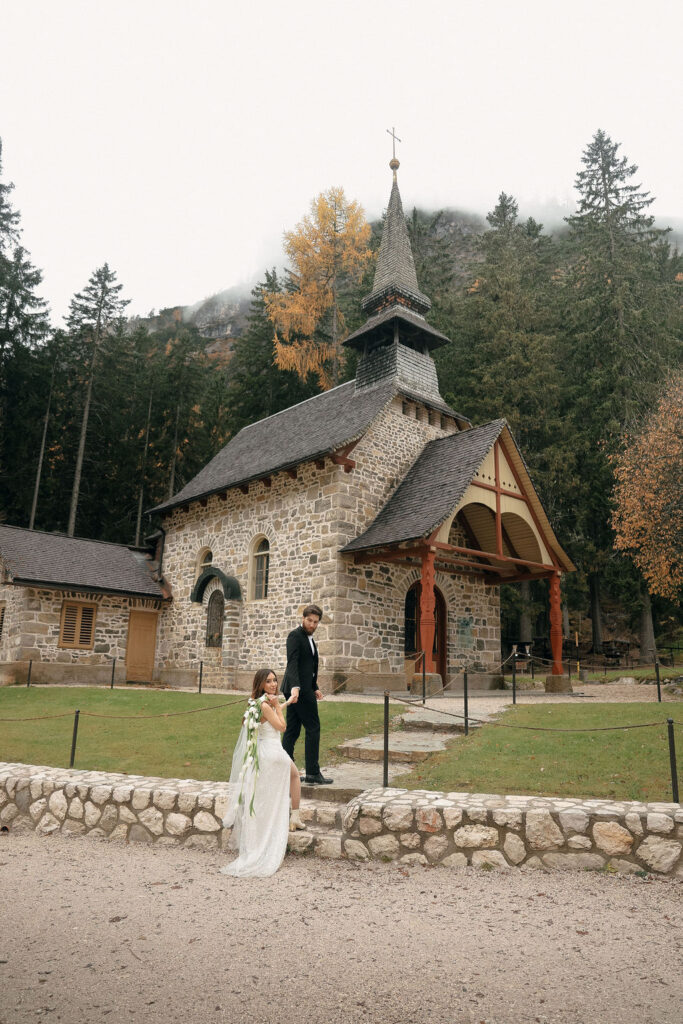
Best Dolomites Elopement Locations (And How to Choose Yours)
Choosing your location in the Dolomites is about picking the right experience for how you want your day to feel. Each spot has its own personality, rhythm, and logistical quirks. Knowing those ahead of time is what turns a good day into an effortless one. Let’s break down the key locations and what they’re actually like to elope at.
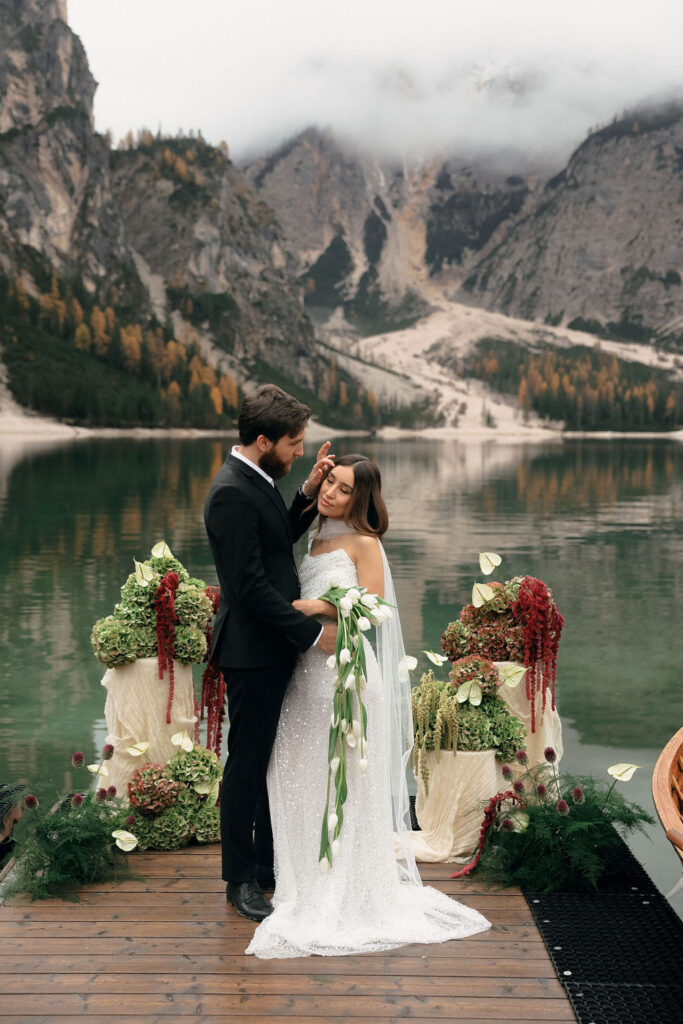
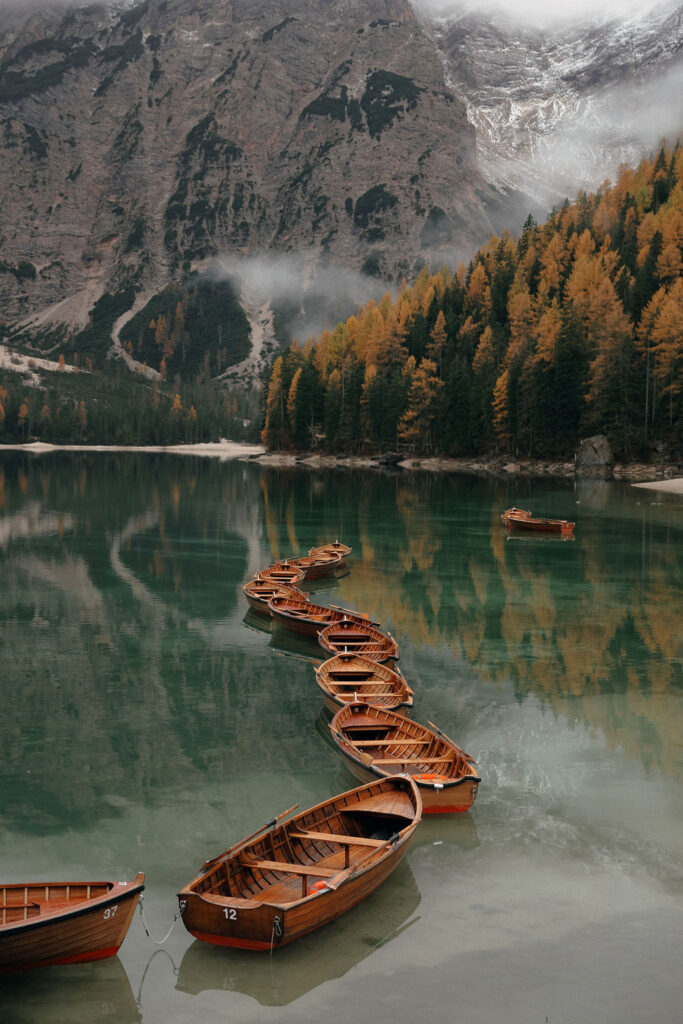
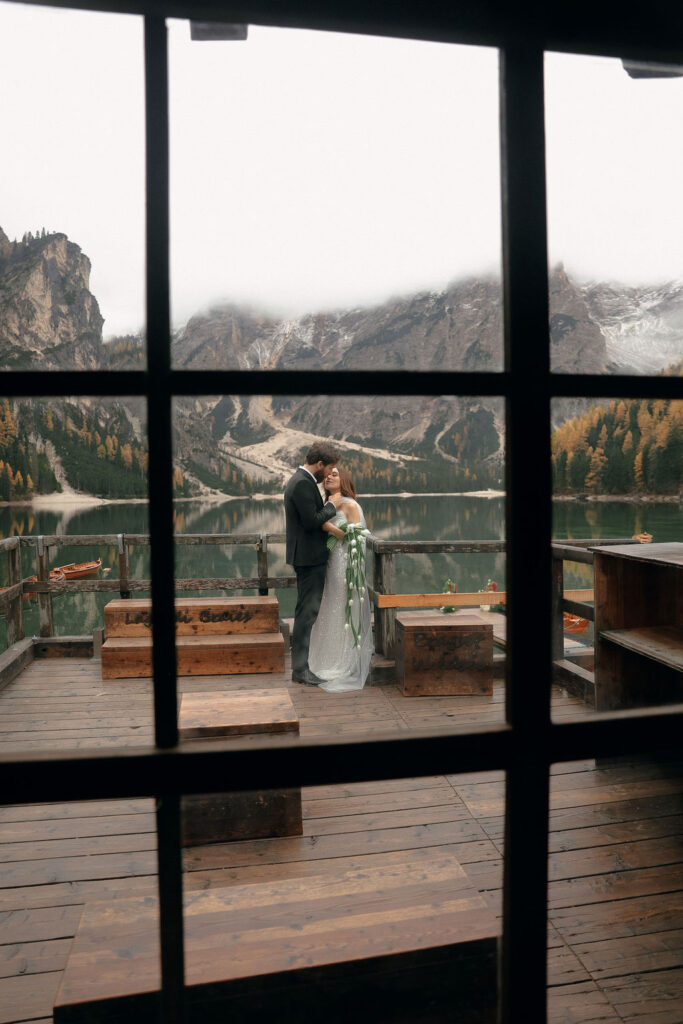
Lago di Braies (Iconic + Accessible)
This is the postcard location. The water is calm, mountains wrap around the lake perfectly, and when the conditions are right, you get those glassy reflections. But here’s the honest part: it gets crowded. Fast. By mid-morning, especially in peak season, it shifts from peaceful to busy. That’s why timing matters more here than almost anywhere else in the Dolomites.
What works best:
- Sunrise ceremonies for privacy and calm water
- Booking the boathouse in advance for a more controlled, intimate experience
- Weekdays to avoid peak traffic
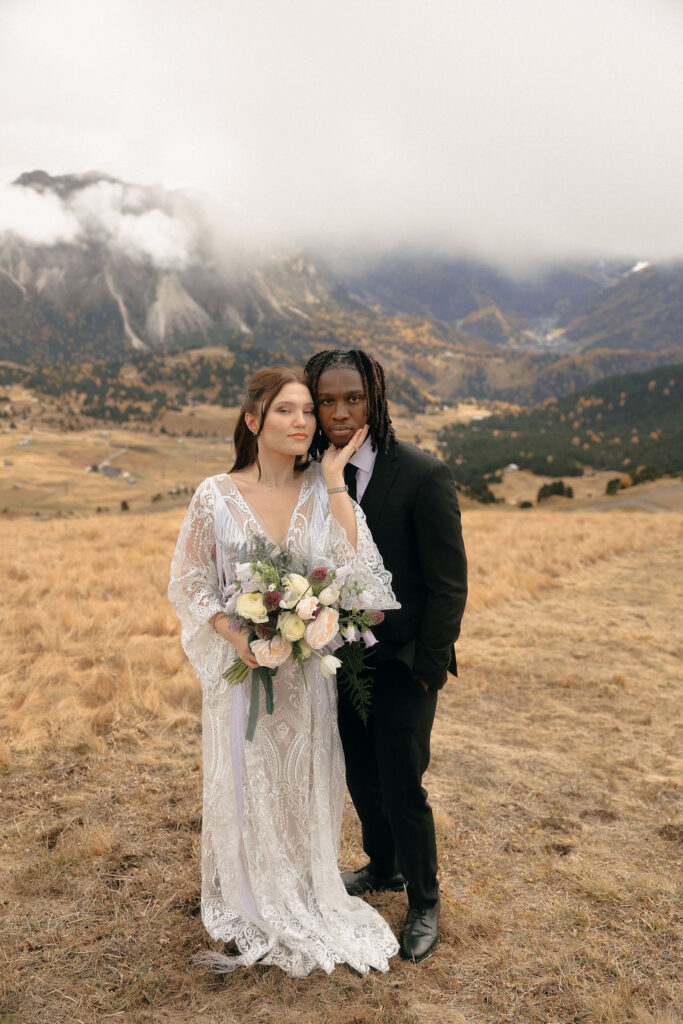
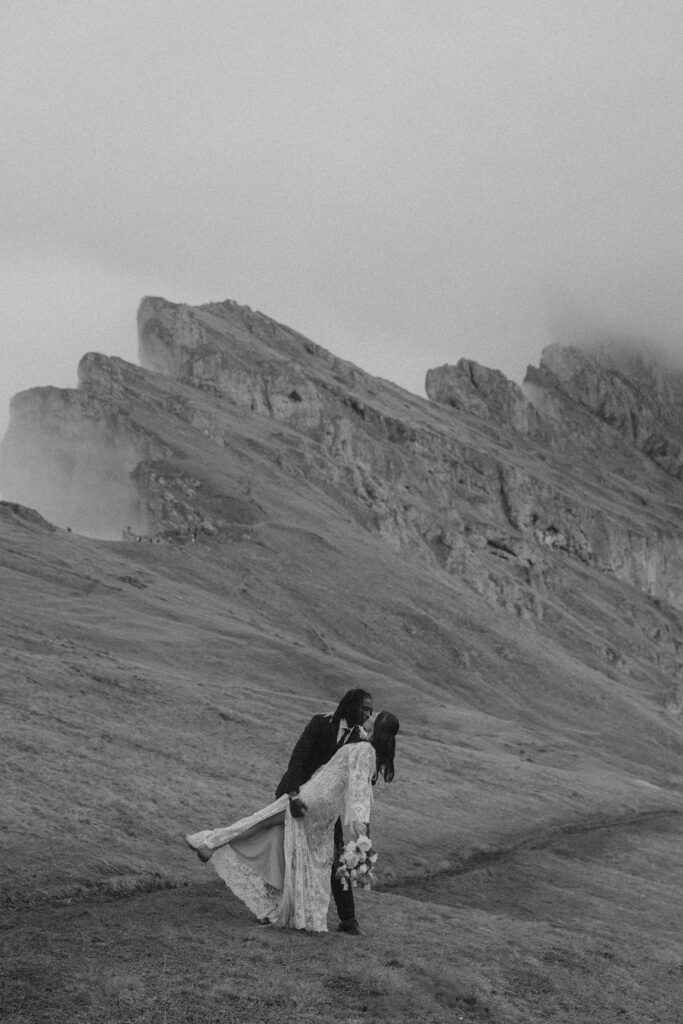
Seceda (Dramatic Ridgeline Views)
At Seceda, the ridgeline is sharp, dramatic, and honestly hard to grasp fully until you’re standing there. The catch? Access. You can only reach Seceda via the cable car from Ortisei, which means your timeline is built around lift hours, not sunrise or sunset in the traditional sense. Expect closures mid-April through late May and again late October through early December. These dates can shift each year slightly depending on weather conditions.
Key things to know:
- No early sunrise access unless lifts are running
- Timing your session depends entirely on cable car schedules
- Tickets can be purchased online or in person
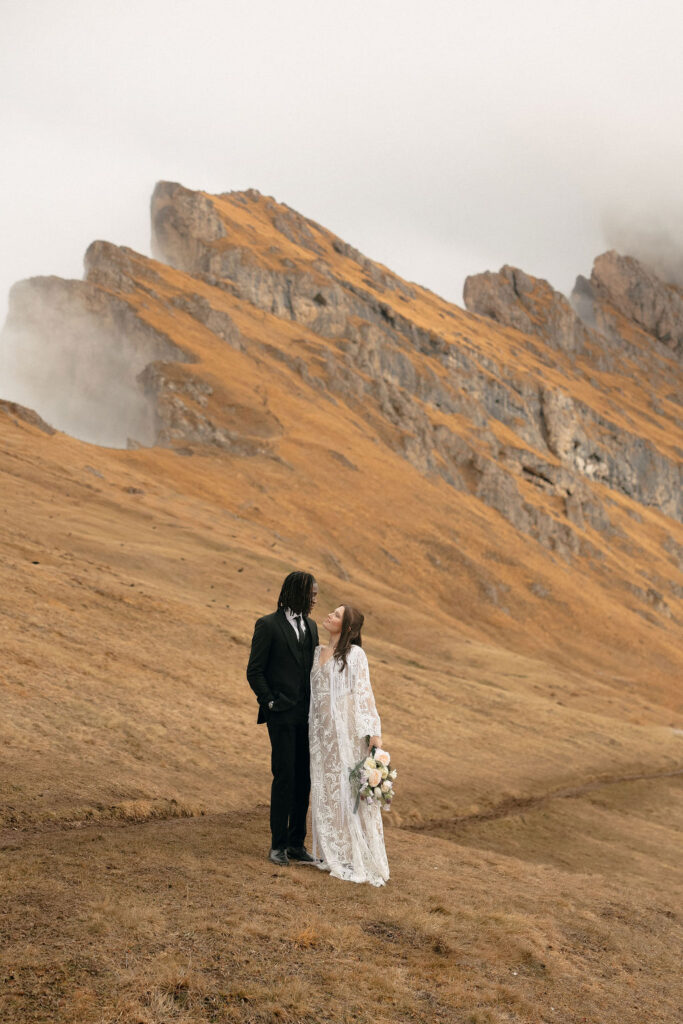
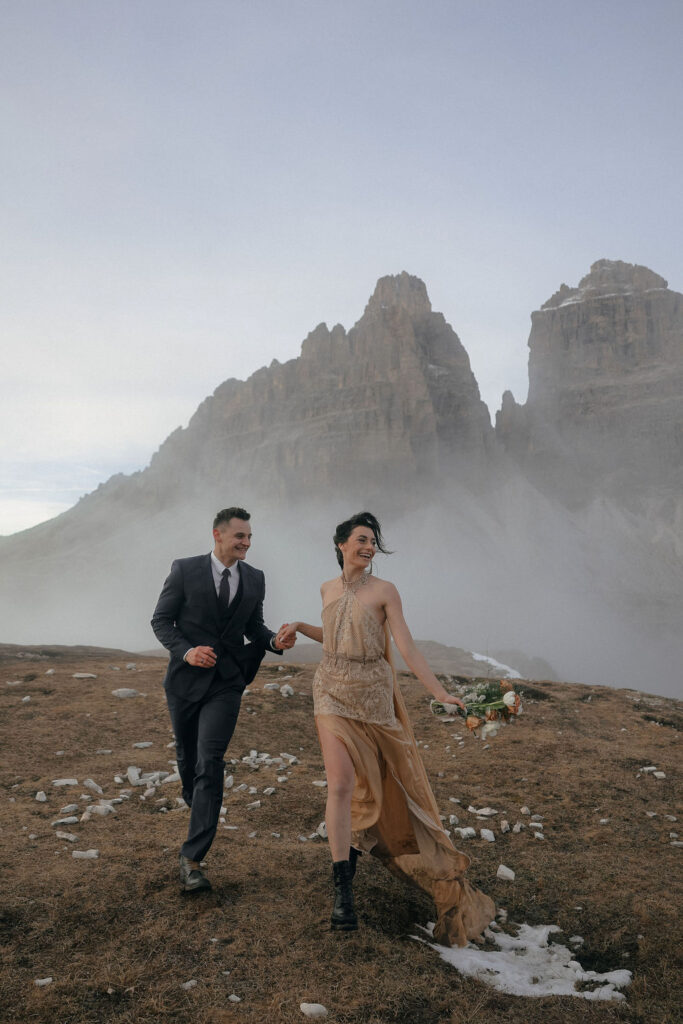
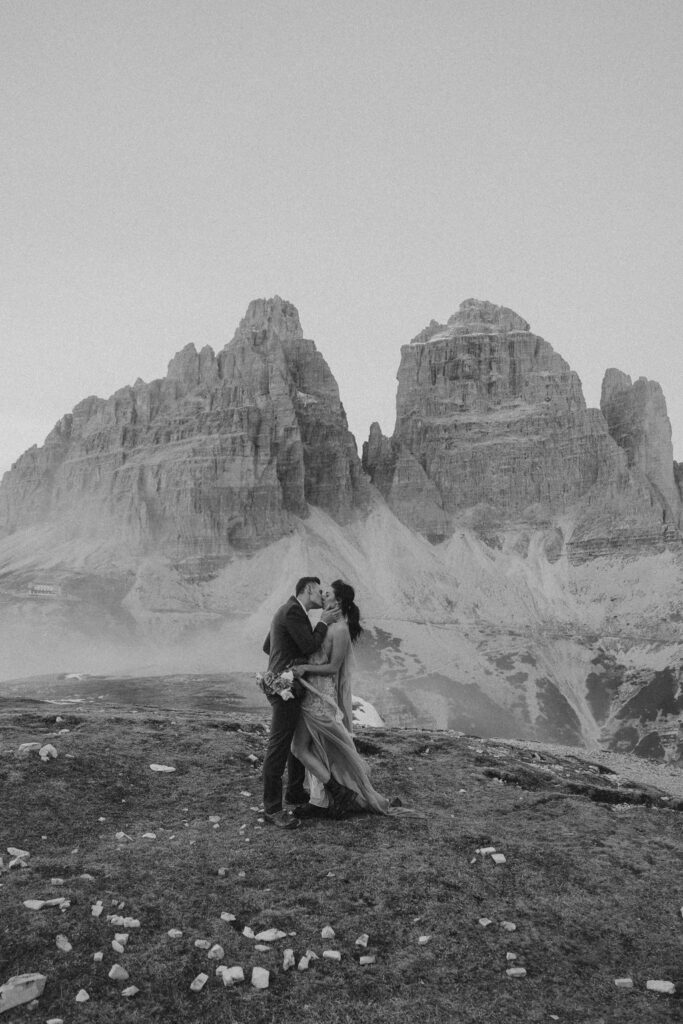
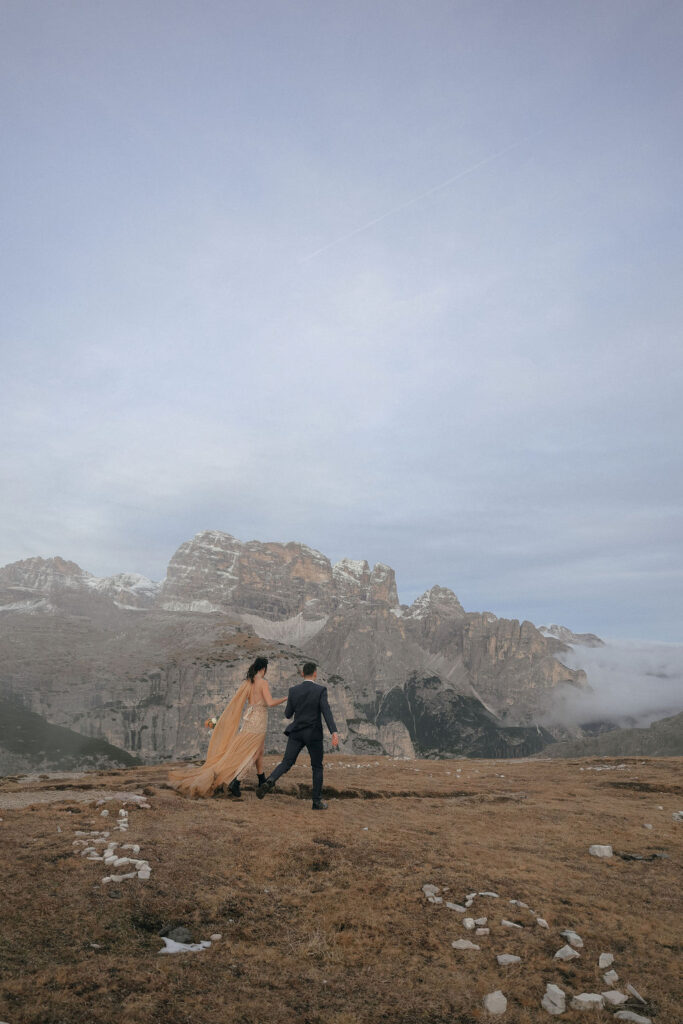
Tre Cime di Lavaredo (Adventurous + Cinematic)
Tre Cime feels bigger, wilder, and a little more untamed. This is where you go if you want that cinematic, “we’re in the middle of nowhere” energy. But it does come with a bit more planning. Expect closures mid-April through late May and again late October through early December. These dates can shift each year slightly depending on weather conditions.
What to expect:
- Access requires a toll road + parking reservation (book in advance)
- Capacity is limited during peak months
- Weather can impact access—even outside of winter
Small Dolomites Towns (Romantic + Practical)
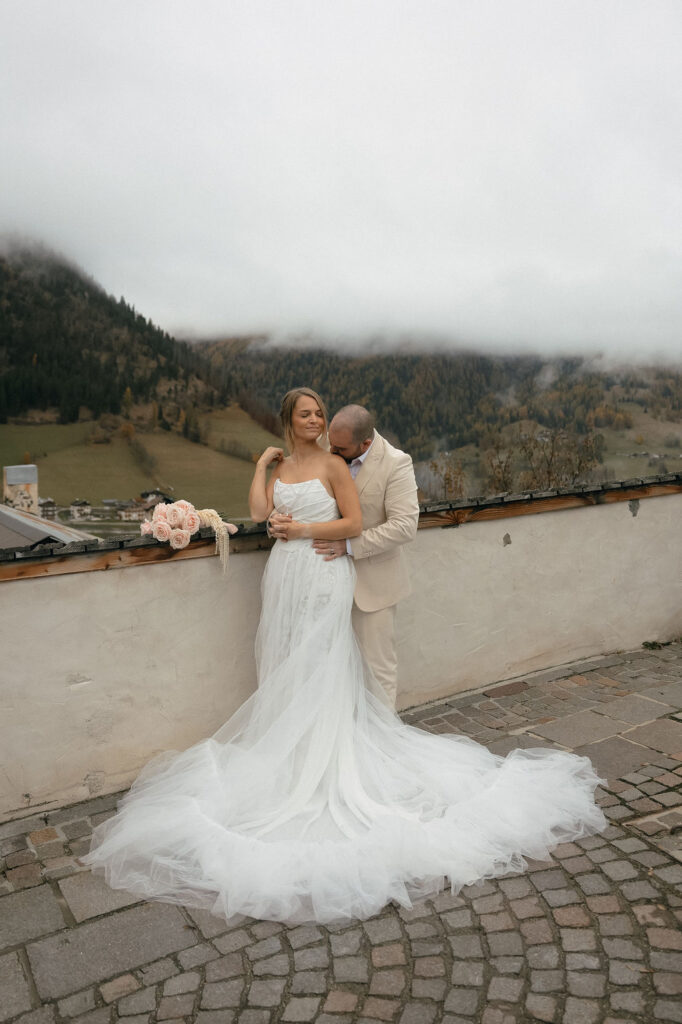
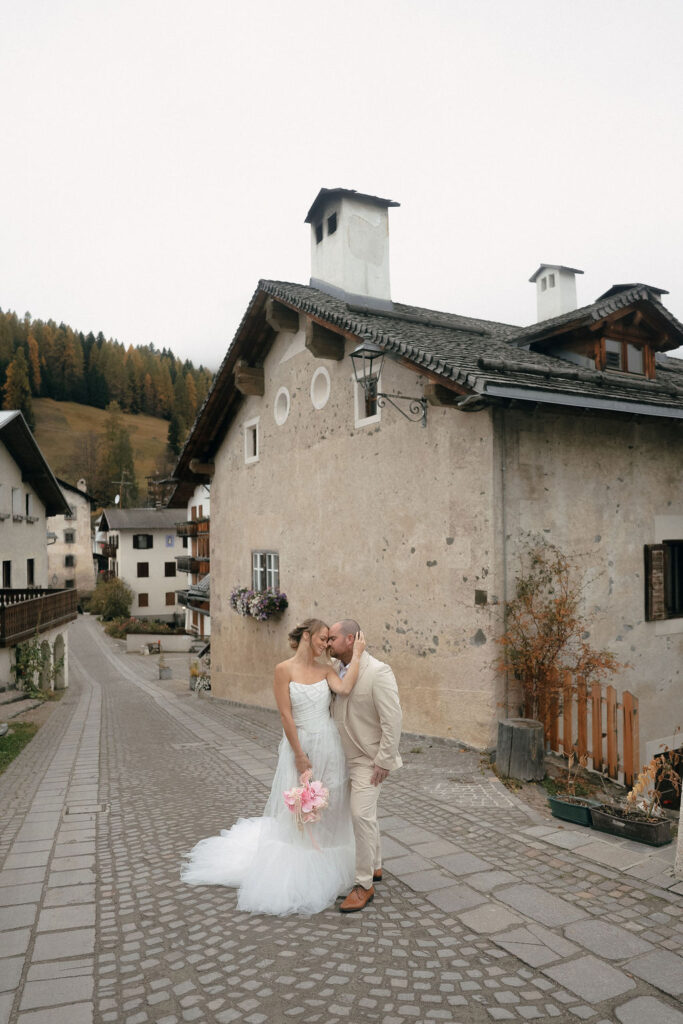
This is the piece most couples don’t think about, but end up loving the most. The small towns scattered throughout the Dolomites add warmth and balance. Cobblestone streets, quiet corners, and historic buildings are a completely different energy from the mountains, and that contrast is what makes your story feel full.
Why they matter:
- Ideal for getting ready photos
- Great for post-ceremony dinners or celebrations
- Solid backup options if the weather shifts
So how do you choose the right location? Instead of asking “which is the best spot,” ask:
- Do we want privacy or iconic views?
- Are we okay working around access restrictions?
- Do we want a relaxed day or something more adventurous?
Because the truth is, there’s no single “best” location. There’s only the one that fits you best. That’s where the magic happens.
When to Elope in the Dolomites
If location is the foundation of your elopement, timing is what brings it to life. The Dolomites change a lot throughout the year, not just visually, but logistically. You’re not only choosing how it looks, but you’re choosing what’s actually accessible.
June – September (Peak Season)
This is when everything is open and running at full capacity.
- Full access to Seceda, Tre Cime, and mountain roads
- Long days, stable weather (generally speaking)
- High crowds, especially at iconic locations
This is the safest window if you want flexibility and multiple locations in one day but keep in mind the trade off with very large crowds.
Late September – October (Best Overall Window & My Recommendation)
If you’re after that golden, cinematic feel, this is it.
- Fall colors start showing up (especially late September into October)
- Fewer crowds compared to peak summer
- Cooler temps, softer light
This is hands down one of the most balanced times to elope here.
Shoulder Seasons (April – May & Late October – December)
This is where things get tricky, and where many couples get caught off guard. Depending on the year and if there was a light winter, May is a favorite of mine (things can open early and low crowds + the beauty of spring).
- Limited or no access to Seceda and Tre Cime
- Cable cars and mountain roads are often closed
- The weather is unpredictable and can shift quickly
It can still be beautiful, but only if you plan around the limitations, not ignore them.
Dolomites Elopement Timeline Example
One of the biggest advantages of eloping in the Dolomites is the variety you can experience in a single day if your timeline is intentionally planned. But this isn’t about cramming in as many locations as possible. I’ll show you how to create a flow that feels natural, gives you space to breathe, and takes advantage of the best light and lowest crowds.
Here’s a simple, realistic example of how your day could unfold:
Sunrise: Lago di Braies
Starting your day at sunrise sets the tone for everything. You’ll have a quiet, calm atmosphere, minimal crowds, and soft, flattering light. This is the moment where things feel slow, you’re not rushed, and you’re not navigating people.
Midday: Break, Travel, & Reset
This is the part most people underestimate, and it’s essential. Head back to your hotel or a nearby town, eat something (seriously, don’t skip this), and rest, change outfits, or decompress. The middle of the day usually has harsher light and more crowds anyway, so instead of fighting it, you use it to recharge.
Afternoon: Seceda or Tre Cime
This is where you shift into a second location with a completely different feel.
- Seceda for dramatic ridgelines and sweeping views
- Tre Cime for a more rugged, adventurous atmosphere
Depending on the season and access, this part of the day offers better lighting on the mountains, fewer crowds compared to midday peak, and a fresh energy after your break.
Evening: Dinner in a Dolomite Town
Ending your day in a small alpine town brings everything full circle. You’ll enjoy a relaxed, intimate vibe, and have a chance to celebrate (and eat something amazing). Whether it’s a quiet dinner for two or something a little more celebratory, this is where the experience settles in.
Booking Timeline (What to Book and When)
Planning a Dolomites elopement isn’t complicated, but it is time-sensitive. The biggest issues couples run into usually aren’t about the ceremony itself… they’re about availability. The Dolomites are a popular destination with limited lodging, limited access points, and seasonal demand. So the earlier you lock in key pieces, the smoother everything else becomes.
Here’s a timeline that keeps things stress-free:
8–12 Months Out: Lock in Your Date + Photographer
- Choose a general timeframe (based on season + access)
- Book your photographer early—especially if you’re eyeing peak or fall dates
Your photographer often helps guide location choices, timeline, and logistics, so having this locked in early gives you direction for everything else.
6 Months Out: Book Flights
Once your date is set, flights are next.
- Prices are usually more stable at this point
- You’ll have better options for arrival/departure times
- Gives you a clear travel window to plan around
Immediately After Flights: Book Your Accommodation
The best places in the Dolomites book out early, have limited rooms, and are location-specific (which matters a lot here). Waiting too long can mean staying farther from your locations, paying significantly more, or settling for something that doesn’t match your vision.
3–4 Months Out: Reserve Your Rental Car
Having a car in the Dolomites is essential. Public transport won’t get you everywhere you need to go, and many locations require early access or flexible timing. Booking a few months out gives you better pricing and ensures availability (especially for automatics, which are limited in Europe).
Where to Stay in the Dolomites
Where you stay in the Dolomites directly shapes how your day flows. Long drive times, early wake-ups, and limited access points mean your location can either make things feel effortless… or way more complicated than they need to be. The goal is simple: stay close to where you’ll actually be.
Ortisei (Best for Seceda Access)
If Seceda is on your list, Ortisei is your base. This is one of the most popular areas for a reason. It makes logistics easy without sacrificing the experience.
- Direct access to the Seceda cable car
- Walkable town with restaurants, shops, and charm
- Great mix of convenience and atmosphere
Cortina d’Ampezzo (Best for Tre Cime Access)
Cortina is a bit bigger, a bit more lively, and perfectly positioned for exploring the eastern Dolomites. If you’re planning a more adventurous or multi-location day, this area gives you flexibility.
- Ideal base for Tre Cime di Lavaredo
- More dining and accommodation options
- Easy access to multiple scenic areas
Near Lago di Braies (Best for Sunrise Convenience)
If you’re prioritizing Lago di Braies at sunrise, staying nearby is a game-changer. Even being 15–25 minutes closer can make a noticeable difference when you’re waking up before sunrise.
- Minimal drive time in the early morning
- Less stress trying to arrive before crowds
- Easier overall start to your day
What to Look for When Booking
Regardless of where you stay, a few things matter more than others:
- Proximity to your main locations
- Parking availability (this is non-negotiable in most areas)
- Views—because waking up to the mountains never gets old
It’s tempting to book the “cutest” hotel you find online, but if it’s an hour away from where you need to be at sunrise, that choice adds stress fast. The best accommodation is strategic. When that’s dialed in, everything else about your elopement day feels smoother, calmer, and way more enjoyable.
Travel Checklist for Your Dolomites Elopement
This is the unglamorous part of planning, but it’s also the part that makes everything run smoothly. The Dolomites are remote, which means you don’t want to be figuring things out last-minute once you’re there. A little preparation here saves you from a lot of unnecessary stress later.
Here’s what you’ll want to have dialed in before you go:
- Euros (cash + coins)
Public bathrooms often require coins, and not everywhere takes cards - Passport + ID
Keep these easily accessible, especially during travel days - International driver’s license
Required if you’re renting a car (which you should be) - Notify your bank
Avoid any surprise card blocks while abroad - Check baggage weight limits
European airlines can be strict, and those fees add up quickly - Travel insurance
Covers delays, cancellations, and unexpected hiccups - International phone plan or eSIM
You’ll want reliable service for navigation, communication, and timing - Travel-size toilet paper or tissues
Not every restroom is stocked - Download offline maps
Cell service can drop in more remote mountain areas - Screenshots of reservations
Helpful in case you lose signal
None of this is complicated, but skipping it can create problems you don’t want to deal with on your elopement day. When these details are handled ahead of time, you free yourself up to focus on being present, soaking it all in, and fully enjoying the experience you came all this way for.
Hiring Your Dolomites Elopement Photographer + Next Steps
In the Dolomites, your photographer isn’t just documenting your day, they’re helping you build it. With locations that depend on lift schedules, weather shifts, and timing windows, having someone who knows how this place actually works makes a huge difference. This isn’t the kind of location where you want to be guessing your way through logistics.
What to Look For in a Dolomites Elopement Photographer
Experience in the Dolomites specifically
Not just “mountains,” not just “Europe”—the Dolomites have their own rules. Access points, seasonal closures, timing… it all matters.
Timeline guidance (this is a big one)
A strong photographer helps you plan around crowds, align your day with the best light, and build a flow that feels natural, not rushed
Ability to adapt in real time
Weather changes and access can shift. Plans sometimes need to pivot. You want someone who can read the situation, adjust quickly, and keep things feeling calm.
If you’re starting to picture your own Dolomites elopement, the next steps are simple. Reach out, share your vision (even if it’s still forming), and get guidance on what’s actually possible based on timing and location. From there, everything starts to come together, and that’s a lot more fun.
Featured florist and planner: Desert Rose Creative


